Exercise nutrition is different from ordinary thirst
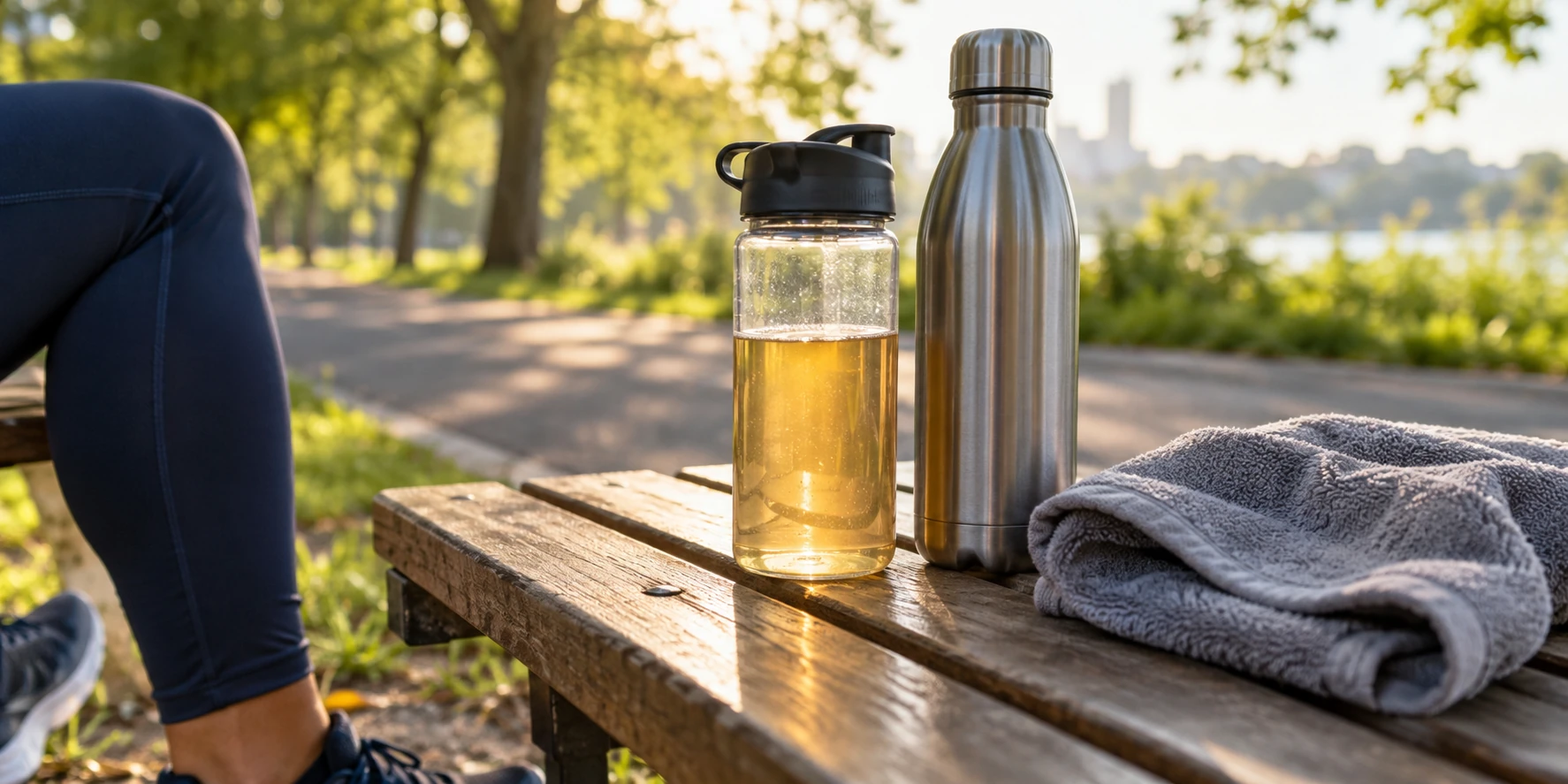
Sports drinks are formulated to provide carbohydrate and electrolytes alongside fluid. During prolonged or intense exercise, they can help supply both fuel and hydration. Needs vary with duration, sweat loss, temperature and the individual's nutrition plan.[1]
They are not automatically needed to quench thirst after light daily activity. AAP guidance for children and adolescents notes that water may be sufficient for short activity, while longer activity or hot conditions may require a different strategy. Wearing workout clothes is not itself a reason to choose one.[2]
Sugar and acid affect teeth in different ways
Sugar-containing products can provide fuel for the bacteria in the mouth to produce acid. Acids already present in the drink can also soften the hard tooth surface or contribute to mineral loss directly. It helps to distinguish these as decay-related and erosion-related processes.[3]
A sugar-free version does not necessarily remove acid exposure, and products do not all have identical effects. Check sugar content and ingredients, and consider whether carbohydrate replacement is needed for the activity. Sports drinks should not be confused with caffeinated energy drinks.[1][2]
Laboratory erosion is not the same as real exercise
In a laboratory comparison, many tested sports drinks caused surface loss or softening of human enamel specimens, with differences between products. Acidity, mineral composition and other conditions contributed. The category 'sports drink' alone cannot establish its dental properties.[4]
The study exposed specimens for fixed periods, which does not reproduce saliva, swallowing and water intake during exercise. Those times are not safe drinking limits, nor do the findings mean one bottle inevitably causes damage.[4]
Do not restrict necessary hydration to protect teeth
Safe hydration during exercise comes first. Do not put yourself at risk of dehydration by avoiding fluids you need in an effort to reduce acid exposure. For prolonged training or competition, coordinate an individualized fueling and hydration plan with a sports nutrition professional and adjust oral care alongside it.[1]
Habits outside exercise are a useful place to make changes: sipping for flavor all day, swishing unnecessarily, or finishing a leftover bottle gradually until bedtime. A light rinse with water after consumption may help. Water remains the basic choice for ordinary thirst.[3]
Care for your teeth as consistently as you train
Dry mouth or existing wear changes what needs consideration even with the same exposure. Have sensitivity to cold drinks or changes in tooth edges and chewing surfaces assessed. Decay, recession and cracks are other possible causes, so do not assume sports drinks explain everything.[3]
Describe the sport, duration, drink type, amount and frequency at your dental appointment. Maintain fluoride brushing and interdental cleaning; documenting tooth surfaces may help monitor progression when appropriate. The aim is to retain exercise benefits while reducing unnecessary sugar and acid exposure.
Research and institutional sources
- Australian Institute of Sport. Sports drinks.View source ↗Public sports institute guidance on hydration and fueling in different exercise situations.
- American Academy of Pediatrics, HealthyChildren.org. Sports Nutrition for Busy Families and Busy Lifestyles.View source ↗AAP guidance on hydration for children and adolescents during activity.
- American Dental Association. Dental Erosion.View source ↗ADA information on acidic drinks and erosion.
- Cochrane NJ, et al. Erosive potential of sports beverages. Aust Dent J. 2012;57(3):359–364.View source ↗Laboratory comparison of sports-drink erosion potential and limits of application.
Bracketed numbers in the text link to these sources. This article provides general health information; individual diagnosis and treatment plans are determined after a clinical consultation.