Carbonation alone cannot rank a drink's risk
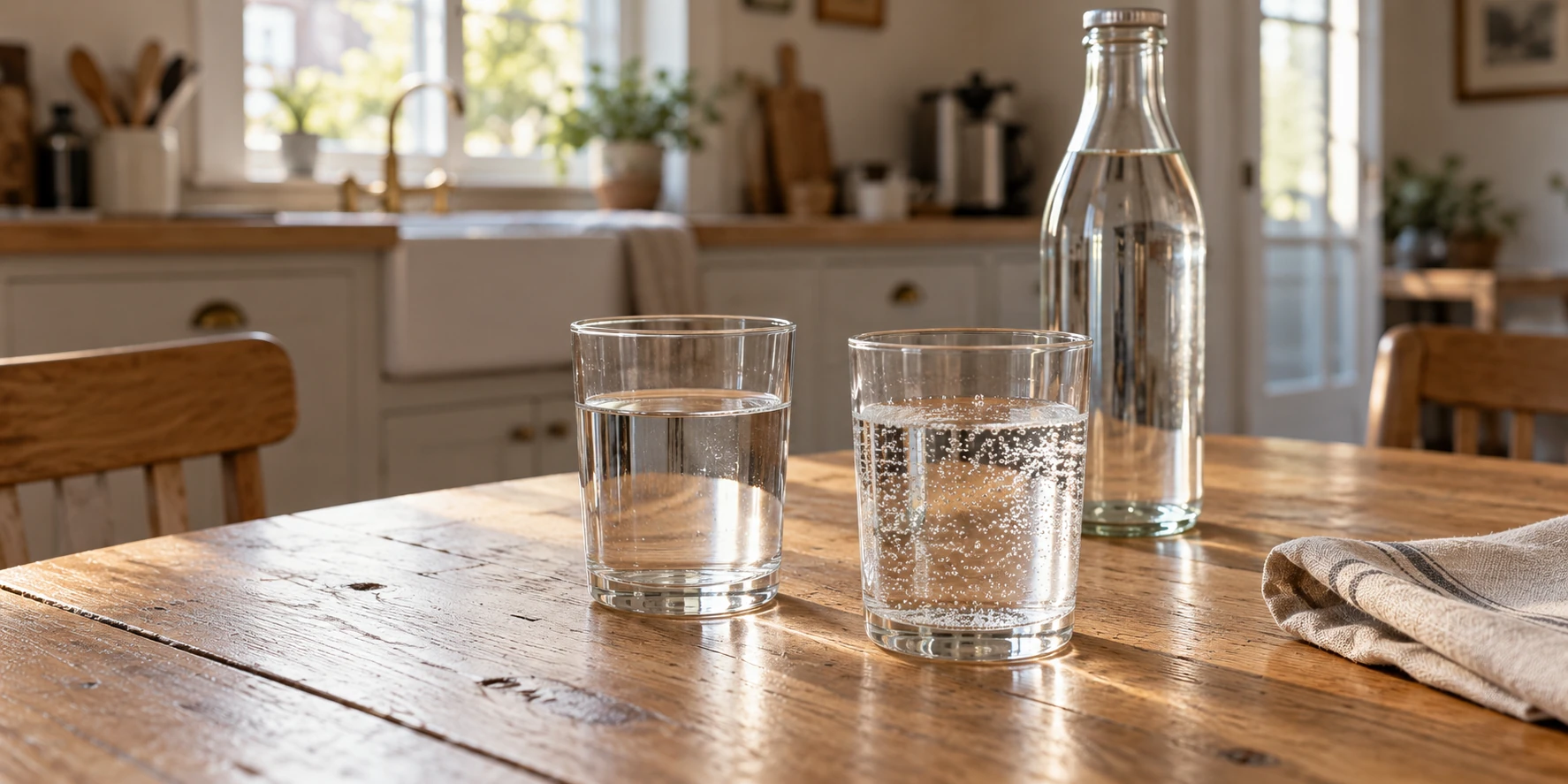
Dissolved carbon dioxide can make water mildly acidic. But classifying a drink as acidic does not make its effect identical to every other acidic drink. ADA patient guidance describes ordinary sparkling water as generally a reasonable choice for teeth and an alternative to sugary drinks.[1]
A laboratory comparison found lower release of tooth minerals with the sparkling mineral waters tested than with the soft drinks used for comparison. This illustrates why carbonation alone cannot group all beverages together. Testing particular products does not, however, guarantee the long-term safety of every sparkling water.[2]
Read sugar and added acids separately
Check both nutritional sugar content and the ingredient list. A product with sugar or syrup differs from one based on water and carbonation. Acidulants such as citric acid or citrus juice can change exposure compared with plain sparkling water.[1][3]
'Zero' does not mean zero dental risk. Conversely, flavoring does not establish that every product is equally strongly acidic. Ingredients provide clues rather than a calculation of actual erosion: the amount of acid and other components also matter.[3]
Can you drink flavored water just like plain water?
Depending on the formulation, fruit flavoring, juice or added acidity may increase erosive potential. UK tooth-wear prevention guidance also singles out fruit-flavored or lemon-added sparkling waters as needing extra caution. A light taste and clear appearance do not establish low acidity.[3]
Adding lemon juice at home changes the ingredients in plain sparkling water. If you previously checked only sweetness, consider the ingredients creating sourness too. Rather than calculating everything, use plain water routinely and check the composition of drinks enjoyed occasionally.
The same bottle can mean different exposure
Having an acid-added drink with a meal differs from sipping it all day. Swallow rather than holding or swishing it around, and reduce prolonged sipping. There is no need to gulp a large amount quickly in an attempt to avoid acid.[1][3]
Saliva dilutes, clears and buffers acids. Frequent dryness or existing wear makes these individual conditions important alongside drink choice. Fluoride toothpaste and water rinsing may help, but cannot erase all repeated acid exposure.[3][4]
What if sparkling water makes your teeth sensitive?
Sensitivity can come from recession, decay, cracks and other causes as well as erosion. Feeling a reaction after a drink does not prove that the drink is the sole cause. Reduce exposures that provoke discomfort and seek assessment if symptoms continue or concentrate in one tooth.[4]
Bring a product name or label photograph and describe how much and when you drink it. Use plain water for routine hydration and have tooth-surface changes checked over time. There is no need to fear every sparkling water—or trust a product name as permission for unlimited sipping.
Research and institutional sources
- American Dental Association, MouthHealthy. Is Sparkling Water Bad for My Teeth?View source ↗ADA advice distinguishing plain sparkling water from drinks with additions.
- Parry J, et al. Investigation of mineral waters and soft drinks in relation to dental erosion. J Oral Rehabil. 2001;28(8):766–772.View source ↗Laboratory comparison of erosive potential in mineral waters and soft drinks.
- Department of Health and Social Care et al. Delivering better oral health: Chapter 7, tooth wear. 2025.View source ↗Public health guidance on flavoring, added acids and exposure patterns.
- American Dental Association. Dental Erosion.View source ↗ADA information on erosion assessment and individual risk factors.
Bracketed numbers in the text link to these sources. This article provides general health information; individual diagnosis and treatment plans are determined after a clinical consultation.