Grinding can continue even when bite force is reduced
What is commonly called jaw Botox involves injecting botulinum toxin into chewing muscles to reduce contraction. Grinding and clenching may occur during sleep or while awake, with different patterns of wear and jaw fatigue between individuals.[1][2]
First clarify the aim: pain relief, reduced intensity of excessive muscle activity, or tooth protection. Cosmetic changes to the jawline are not the same outcome as improved oral health. A change in appearance does not establish that sleep bruxism has stopped.
What do the Korean study and other clinical trials tell us?
A 2020 randomized placebo-controlled trial used sleep testing to assess botulinum toxin. Among 23 participants who completed the study, injections reduced the intensity of masseter activity during grinding, but did not clearly reduce measures of bruxism-event occurrence. The findings distinguish reducing force from preventing episodes.[2]
This small study had limited follow-up and cannot predict identical outcomes for everyone. Another placebo-controlled trial in 2022 found improvement in some objective measures at four weeks, but not maintained at 12 weeks. Different participants, methods and outcomes make it difficult to turn these results into a promise that one treatment solves the problem for a fixed number of months.[3]
Less pain does not mean tooth protection is finished
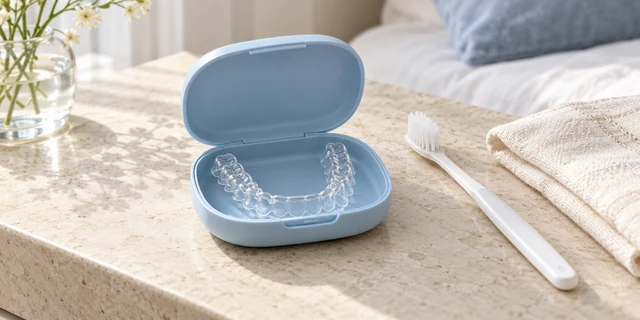
Management may include protective appliances, awareness and reduction of awake clenching, and assessment of stress or associated sleep problems. The necessary approach depends on actual damage and symptoms. Not every case requires injections or an appliance.[1]
Even if injections reduce soreness, continue checking wear and restorations and follow the recommended care and monitoring. Loud snoring or apparent pauses in breathing during sleep warrant separate assessment. Injecting chewing muscles is not a treatment for sleep apnea.
Discuss chewing and facial-expression changes too
Alongside potential benefits, discuss chewing discomfort, changes in strength, injection-site symptoms and possible effects on facial expression. Some participants in another small placebo-controlled study reported cosmetic changes in their smile. Few serious problems in a small trial do not exclude every risk of repeated long-term treatment.[4]
Tell the clinician where and when you were previously treated, how long benefit or discomfort lasted, and your medicines and health conditions. Do not independently decide to increase doses or shorten intervals when the effect seems weaker. Reassess current muscle function, symptoms and tooth condition rather than scheduling solely by the calendar.
Not every painful jaw is caused by bruxism
Joint disorders, chewing-muscle pain and tooth pain can overlap. The U.S. National Institute of Dental and Craniofacial Research (NIDCR) describes inconsistent findings for botulinum toxin in temporomandibular disorders and recommends considering simpler, conservative approaches first. Results from bruxism studies cannot be applied to every kind of jaw pain.[5]
Alongside 'Should I have injections?', ask 'What is causing my pain, and what outcome are we targeting?' When discomfort occurs, whether teeth are damaged and how previous care helped can distinguish situations where injections may be considered from those needing another approach first.[1][5]
Research and institutional sources
- National Institute of Dental and Craniofacial Research. Bruxism. 2025.View source ↗NIDCR guidance on bruxism assessment and management options.
- Shim YJ, et al. Botulinum Toxin Therapy for Managing Sleep Bruxism: A Randomized and Placebo-Controlled Trial. Toxins. 2020;12(3):168.View source ↗Randomized trial distinguishing muscle intensity from bruxism occurrence.
- Cruse B, et al. Efficacy of botulinum toxin type a in the targeted treatment of sleep bruxism: a double-blind, randomised, placebo-controlled, cross-over study. BMJ Neurol Open. 2022;4:e000328.View source ↗Randomized crossover trial addressing duration of benefit and evidence limits.
- Ondo WG, et al. Onabotulinum toxin-A injections for sleep bruxism: A double-blind, placebo-controlled study. Neurology. 2018. doi:10.1212/WNL.0000000000004951.View source ↗Small controlled trial reporting symptom changes and adverse effects.
- National Institute of Dental and Craniofacial Research. TMD (Temporomandibular Disorders).View source ↗NIDCR guidance on distinguishing causes of jaw pain and evidence for injections.
Bracketed numbers in the text link to these sources. This article provides general health information; individual diagnosis and treatment plans are determined after a clinical consultation.