Check the person first, then identify the tooth
Dental trauma may accompany head or facial injuries. If the person has a reduced level of consciousness, has trouble breathing or is bleeding heavily, do not delay emergency care while looking for a tooth. Call emergency services—119 in South Korea. Dental injuries can be assessed alongside other injuries once it is safe.[4]
Do not put a knocked-out baby tooth back: this can damage the developing permanent tooth underneath. If you are unsure whether a child's tooth is primary or permanent, do not force it into place; bring it for immediate assessment. Do not assume every front tooth is a baby tooth simply because the patient is young.[1]
Hold the crown, and do not scrub the root
Pick up the tooth by the white crown that was visible above the gum. Tissue important for reattachment may remain on the root, so avoid touching or rubbing it away. Do not clean it with a toothbrush, soap or disinfectant, or dry it with tissue.[2]
If there is dirt or debris, rinse gently with milk or saline. Do not spend time trying to make the tooth perfectly white. Remembering when it came out and how it was stored helps the dentist plan care.[1][2]
When to put it back—and when to transport it in liquid
If it is definitely a permanent tooth and the person is conscious and able to cooperate, gently replacing it in its original socket is recommended. If it goes in easily, hold it in place by gently biting on a clean cloth and go straight to a dentist. Do not force it if you are unsure of the direction or it does not fit easily.[1][2]
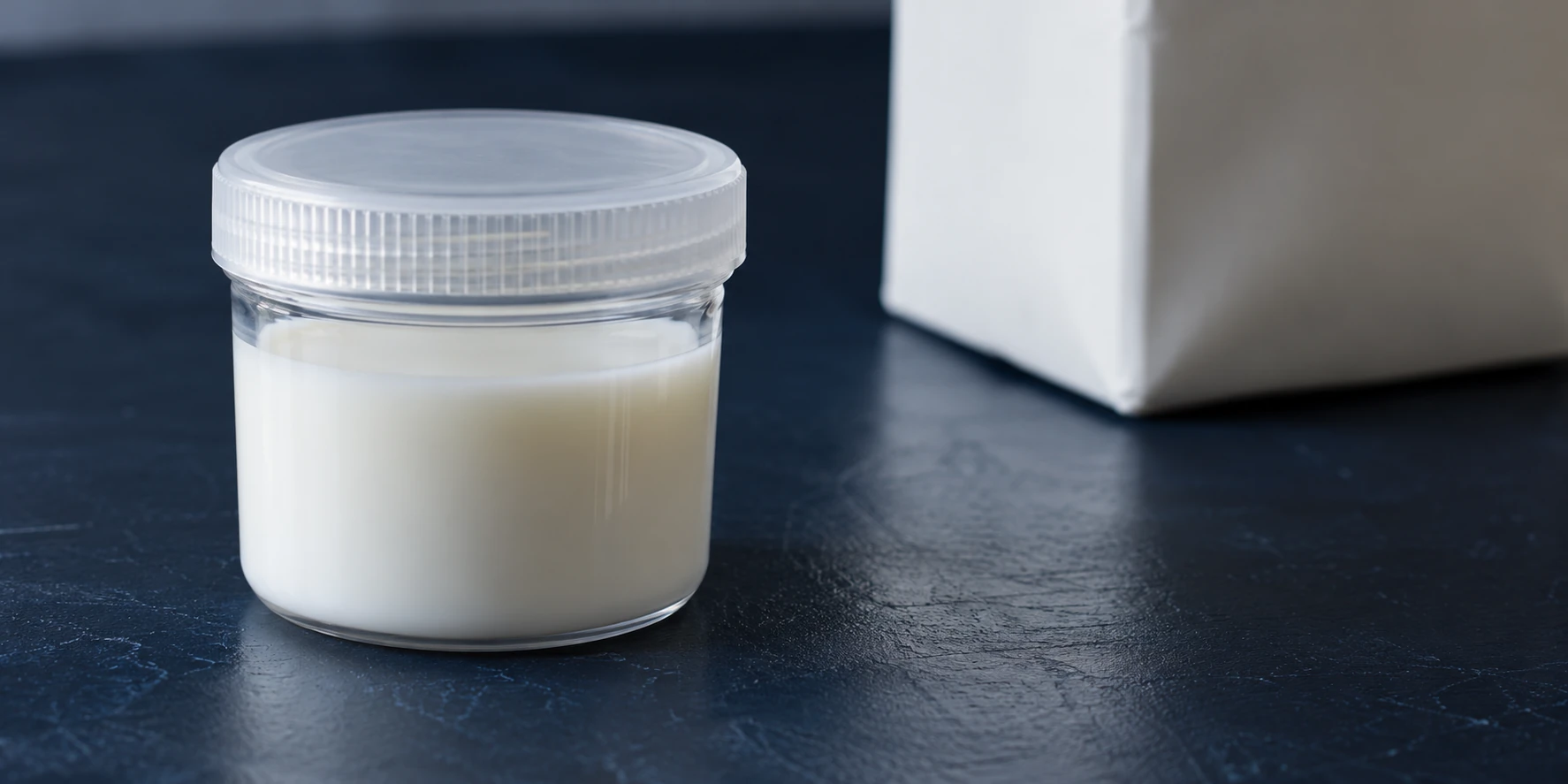
If replacement is not possible, transport it in a clean container of milk or a tooth-preservation solution. If milk is unavailable, guidance also describes collecting the person's own saliva in a container. Do not transport a tooth inside the mouth of a young child or anyone at risk of swallowing it. Appropriate moist storage is preferable to letting it dry in tissue.[1][2]
Milk does not stop the clock
The condition of tissues around the root is affected by time outside the mouth, time spent dry and storage conditions. Seek care as quickly as possible; do not delay while searching for milk. When you phone the clinic, say first that a permanent tooth has been knocked out completely.[2]
The American Association of Endodontists emphasizes care within 30 minutes where possible, while noting that a longer delay does not automatically mean giving up. Do not discard the tooth or assume treatment is pointless because a certain time has passed. The dentist assesses both tooth and patient to decide what can be done.[3]
Putting the tooth back is not the end of treatment
The dentist checks its position and surrounding injuries and provides necessary care, such as splinting. Root development and the extent of injury affect plans for root canal treatment or other procedures. Healing then requires regular reassessment.[3]
Even a seemingly successful replantation can develop later problems in the root or supporting tissues, so follow-up matters. Good first aid improves the chance of a favorable outcome; it cannot guarantee survival of the tooth. Both rapid initial action and subsequent care are needed.[2][3]
Research and institutional sources
- NHS. Knocked-out tooth.View source ↗NHS emergency guidance on permanent teeth and not replanting baby teeth.
- Fouad AF, et al. IADT guidelines for the management of traumatic dental injuries: 2. Avulsion of permanent teeth. Dent Traumatol. 2020;36(4):331–342. doi:10.1111/edt.12573.View source ↗International trauma guidelines on replantation, moist storage and the importance of time.
- American Association of Endodontists. Knocked Out Teeth.View source ↗Specialist patient guidance on immediate care and tooth preservation.
- Royal Children's Hospital Melbourne. Clinical Practice Guidelines: Dental trauma.View source ↗Pediatric hospital guideline on associated injuries and safety assessment.
Bracketed numbers in the text link to these sources. This article provides general health information; individual diagnosis and treatment plans are determined after a clinical consultation.