Can I have conscious sedation if I have sleep apnea?
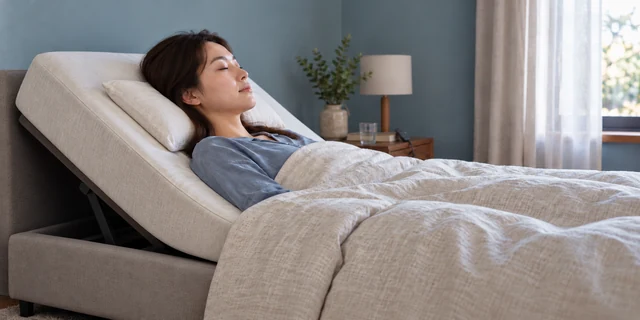
It may be possible, but your suitability cannot be confirmed without an assessment. In obstructive sleep apnea, the airway narrows or closes during sleep, repeatedly interrupting breathing. Sedatives can make the airway more likely to narrow, so extra care is needed.[2][4]
The Society of Anesthesia and Sleep Medicine (SASM) advises caution when intravenous benzodiazepines, such as midazolam, are used in people with sleep apnea. Its 2018 guideline does not prohibit their use in every patient. Decisions should take account of the patient, the procedure and the resources available to manage care. The supporting research includes procedures outside dentistry, so it cannot provide a precise risk estimate for an individual's dental sedation.[2]
Tell your dentist about pauses in breathing during sleep
Not everyone who snores has sleep apnea. But if a family member says you stop breathing and then suddenly gasp, it is worth getting checked. These symptoms, along with frequent loud snoring and excessive daytime sleepiness, can be signs of sleep apnea. You may not know about the breathing changes because they happen while you are asleep.[1]
The sound of snoring alone cannot establish whether you have sleep apnea or how severe it is. Sleep testing measures breathing to help answer those questions. Mention any concerning symptoms at your dental consultation and ask whether you need further assessment, such as a sleep study.[4][3]
Do you use an airway pressure device or oral appliance?
A positive airway pressure device delivers air through a mask to help keep the airway open during sleep. Use it regularly, and discuss any discomfort or difficulty with the clinician managing your treatment.[4]
Share your sleep-test results, which device you use and how regularly you use it. If you were prescribed a device but no longer use it, tell your dentist. Using a device does not eliminate the possibility of breathing problems during sedation. Ask whether you should bring it to the appointment and how to use it after treatment.[2][3]
Your medicines and previous sedation experiences matter too
Before treatment, tell the team about your medical conditions, medicines and previous experiences with sedation. Bring a medicine list if you find the names hard to remember. Also mention any previous breathing problems during sedation or unusually slow recovery afterward.[3]
Do not take an extra sleeping pill or tranquilliser on your own because you feel anxious about treatment. Sleeping pills taken without a doctor's advice can worsen sleep apnea. Do not stop your usual prescribed medicines on your own either. Check with your care team beforehand about what to take on the day of treatment.[4][3]
Treatment may need to wait or take place elsewhere
The consultation should establish both whether conscious sedation is suitable and whether the proposed setting can meet your needs. Treatment planning should take account of your health, the facilities available and the team's experience. If your condition or the available facilities make treatment unsuitable, you may need further assessment first or referral to a more appropriate service.[3]
If sedation is planned, ask: “Which technique will you use for me?”, “How will you manage a breathing problem?” and “When will I be ready to go home?” The team monitors consciousness and breathing during treatment, then checks that you have recovered sufficiently before discharge.[3]
Research and institutional sources
- National Heart, Lung, and Blood Institute. Sleep Apnea — Symptoms. Updated January 9, 2025.View source ↗Public health information on snoring, breathing pauses during sleep and excessive daytime sleepiness.
- Memtsoudis SG, Cozowicz C, Nagappa M, et al. Society of Anesthesia and Sleep Medicine Guideline on Intraoperative Management of Adult Patients With Obstructive Sleep Apnea. Anesth Analg. 2018;127(4):967–987. doi:10.1213/ANE.0000000000003434. PMID:29944522.View source ↗Society guideline on individual assessment, care setting and precautions with intravenous sedation (section 2.6). Moderate evidence; weak recommendation.
- Scottish Dental Clinical Effectiveness Programme. Conscious Sedation in Dentistry. 3rd ed. June 2017; reviewed and unchanged December 2022.View source ↗Dental sedation guidance on assessment and choice of care setting (section 3.2), monitoring and discharge after recovery (section 4.3 and chapter 6).
- National Health Service. Sleep apnoea. Reviewed May 11, 2026.View source ↗Official patient information on sleep testing, positive airway pressure devices and sleeping-pill precautions.
Bracketed numbers in the text link to these sources. This article provides general health information; individual diagnosis and treatment plans are determined after a clinical consultation.